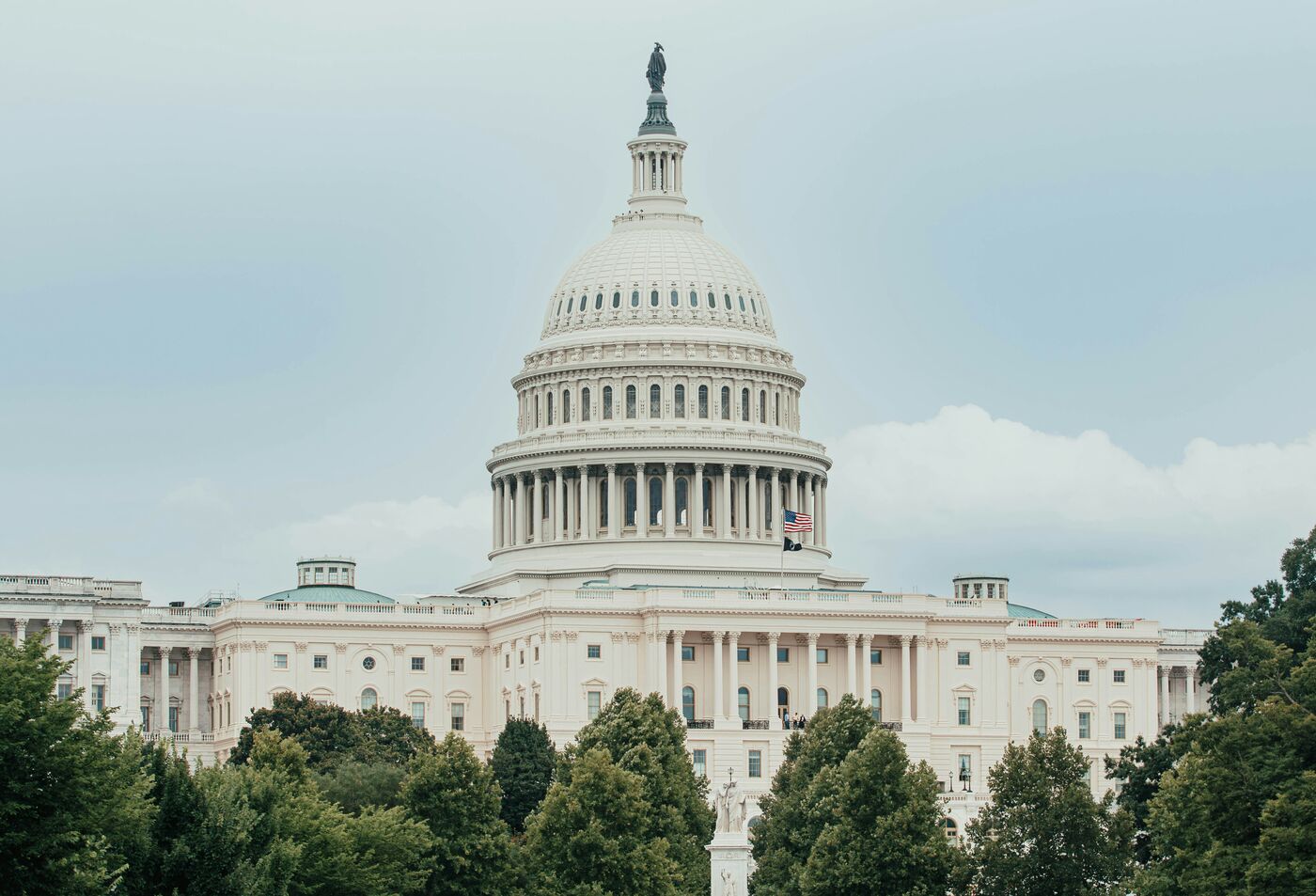
The Science of Reading Act just passed the House. Here's what changes, and what doesn't
H.R. 7890 would tie a $194 million federal literacy grant to science-aligned teaching and curb three-cueing. Next: the Senate. What it means for families.
Stories
Clear thinking on dyslexia policy, research, and practice — and what it means for your child or classroom.
H.R. 7890 would tie a $194 million federal literacy grant to science-aligned teaching and curb three-cueing. Next: the Senate. What it means for families.

Appointments to Georgia's Literacy Task Force landed this month. It will recommend screeners, materials, and training under the Early Literacy Act of 2026.

Two researchers say reading science needs engineering: the design work that makes proven practices run in real classrooms. What teachers can take from it.

This year's UK Dyslexia Awareness Week focuses on work. For U.S. families, a prompt: school supports end at graduation, and teens must ask for help.
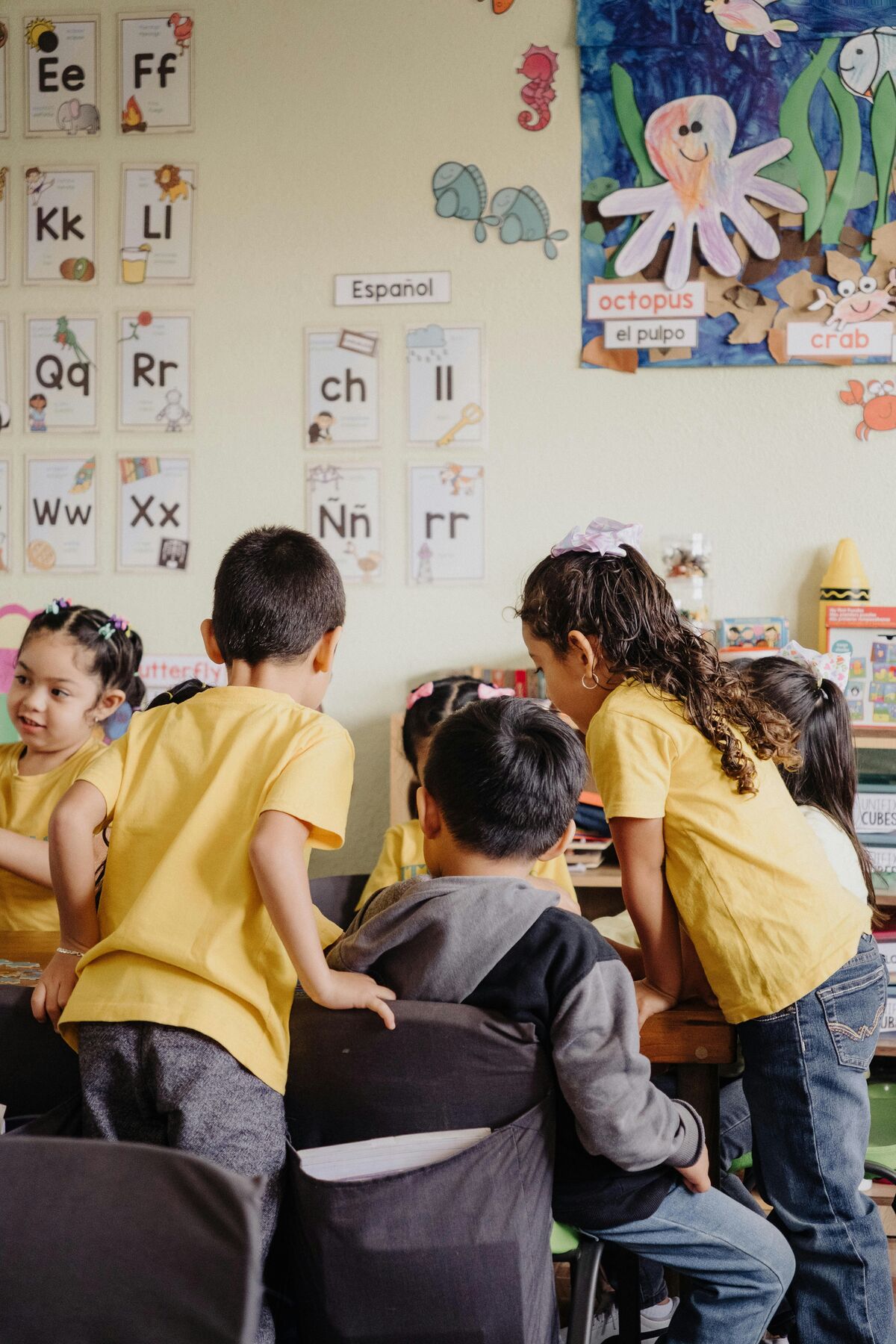
Apps promise to teach reading. Research on paper, handwriting, and multisensory teaching says the foundations are built better by hand. Here's the evidence — and our stand.

PISA 2025 shows reading down across the OECD — and screens keep getting the blame. What the data actually says, and what it means for a child who struggles.
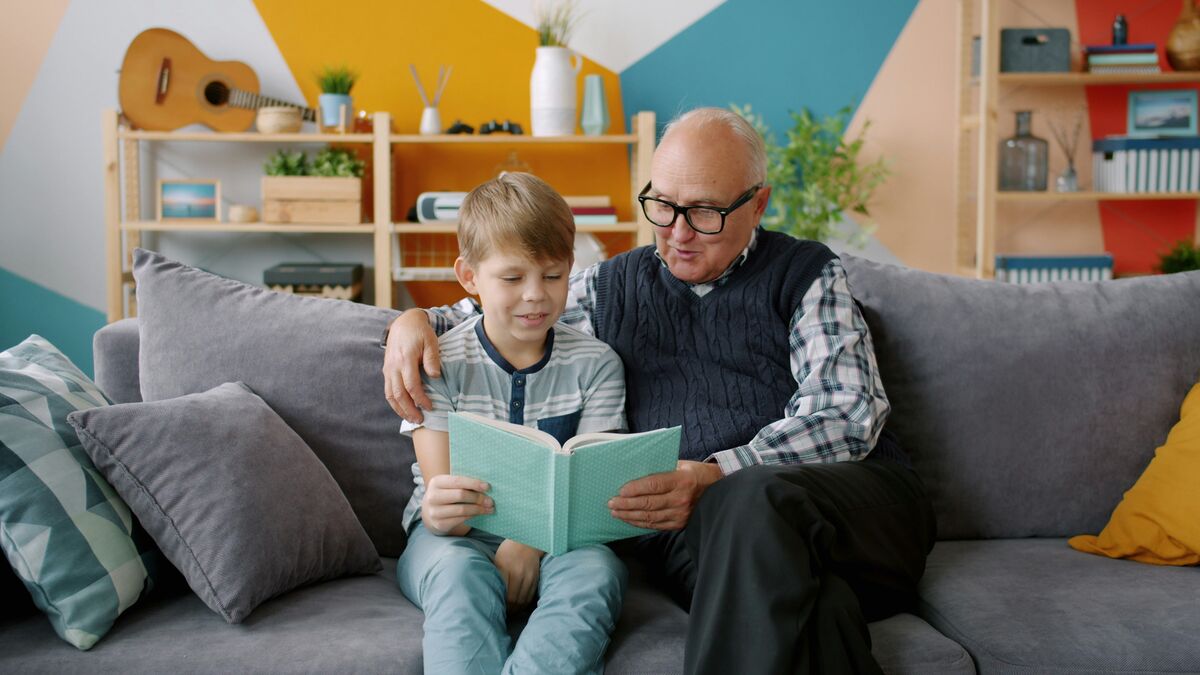
New data shows shared reading at home still falling: 41% of little kids are read to daily, down from 64% in 2012. For a dyslexic child, the read-aloud is irreplaceable.
Minnesota, Colorado, California, Wyoming, Michigan — several states' screening and literacy requirements take effect this fall. What your school now owes you.
Awareness month works when it changes specific minds. A week-by-week October plan for parents and teachers — who to reach, what to hand them, and what to ask for.

Public Act 26 gives Michigan until 2031–32 to put every elementary reading teacher through science-of-reading training, backed by $75 million. The buildout has begun.
Colorado's new K–3 dyslexia screening law is entering rulemaking. Which screeners qualify and what schools must tell families gets decided in August.
Children build their own explanation for why reading is hard, and it's usually 'I'm dumb.' How to replace it with the truth, at every age, without spin.
Anyone can advertise 'reading tutor.' These eight questions — about program, training, intensity, and data — tell you whether a provider can actually help.
Dictation frees ideas from the spelling bottleneck, and it's already free on every device. Why it works, where it fails, and the routine that makes it stick.
New data says 82% of teachers completed science-of-reading training. Researchers say knowledge without coaching rarely changes instruction. What closes the gap.
Spelling is usually dyslexia's most stubborn symptom, and Friday word lists don't touch it. What the research says works instead, at school and at home.

Decodable books let beginning readers practice the code they've been taught instead of guessing. What makes a good one, and when a child outgrows them.

Dyslexia exists in every language — but English learners are routinely missed when reading trouble gets blamed on the second language. How to tell the difference.
New national long-term trend scores show younger readers rebounding while teens stall at 50-year-old levels. What the split means for dyslexia families.
For a child with dyslexia, ear reading builds vocabulary and knowledge while decoding catches up. Two national libraries provide it free — most families don't know.
The quiet weeks before term are the best time to lock in accommodations. A parent's checklist for IEPs, 504 plans, and the first-month watchlist.
A bipartisan bill would tie federal literacy money to the science of reading and ban three-cueing. What that means — and doesn't — for kids with dyslexia.
A national tracker now maps every state's dyslexia laws in one place. A short guide to reading it like a parent, a teacher, or an advocate.
A 2025 expert consensus reframed dyslexia and dropped the old IQ-gap logic. Why the wording matters for who gets identified and helped.
An EPFL model simulated dyslexia and preferred dyslexia-friendly fonts. Intriguing science — and a good moment to separate what helps from what's hype.
A Stanford-led study watched a reading-specific brain region grow with intensive tutoring — and explains why some struggles persist even as reading improves.

A University of Houston analysis says dyslexia stems from a network of genes acting in developmental waves — not a single faulty one. What that means, and doesn't.
The British Dyslexia Association's 2026–2030 plan reframes dyslexia as a lifespan issue — school, work, and wellbeing. A useful lens for US families too.
Legislation was the easy part. New research shows implementation — funding, training, and follow-through — is where states struggle.
The nation's largest state now screens every K–2 student for reading difficulty risk. Here's how it works — and what to do with the results.
Dozens of states have passed structured-literacy legislation. Here's what the shift means for students with dyslexia.
Text-to-speech that sounds human, live reading support, and word prediction that understands context — what's real, what's hype, and what to try first.
How to protect hard-won gains over the summer — audiobooks, ear reading, and ten minutes a day that actually stick.
High-quality, no-cost literacy and dyslexia modules are multiplying. Where to start if you're building your knowledge base.
A dedicated office, adopted educator competencies, and 300+ assists later — Connecticut's model turns statute into service.
Annual K–3 screening, science-of-reading training, and evidence-based curriculum are coming. Districts that prepare early spare students two more years of wait-and-see.

British dyslexia organizations are pushing past decoding to comprehension — a preview of where support is heading everywhere.
Want news like this in your inbox? Subscribe to the newsletter.
Join free for toolkits, legislative alerts, and a community that gets it.